Air pollution

The problem
Children everywhere are exposed to unsafe air. In many parts of the world, children breathe outdoor air with fine particulate matter (PM2.5) levels far above the WHO annual guideline of 5 µg/m³. Emerging evidence shows that this problem is widespread and worsening in several regions, but is most acute in low- and middle-income countries where children bear a disproportionate share of the burden. The highest exposures are concentrated in a relatively small number of countries where rapid urbanization, industrial activity, and other air pollution hazards intersect.
According to the 2024 State of Global Air report:
- 2,000 children under 5 die every day from air pollution–related health impacts—accounting for 15 per cent of all global child deaths.
- 34 per cent of preterm births in 2021 were linked to air pollution, and affected babies who survive may face developmental delays, disabilities and health consequences throughout their life.
- 100x higher risk of death due to air pollution in children under the age of 5 in East, West, Central and Southern Africa compared to high-income countries.
- <1 per cent of aid goes to clean air, even though 25 per cent of respiratory infections from ambient air and nearly 50 per cent from household air are preventable—leaving children in low- and middle-income countries most at risk.
Globally, air pollution trends remain largely unchanged in the last decade. Persistent poverty and inadequate access to affordable, clean energy and modern technologies for essential daily needs like cooking and heating leave air dangerously polluted in homes. In many parts of the world, the health impacts of air pollution are getting worse. Rapid industrialization, population growth, urbanization, rising inequality and climate change all contribute to this intensifying public health risk.
Some of the major sources of air pollution harming children’s health include air pollution from household, traffic-related, industrial, waste-related, landscape fires like wildfires, sand and dust storms and secondhand smoke.
Climate change can worsen air quality by increasing temperatures, accelerating chemical reactions in the atmosphere and increasing levels of harmful pollutants like ground-level ozone and secondary particulate matter. The interaction between ozone and heat shows how climate-driven photochemical reactions intensify air pollution and amplify risks to human health. More frequent and intense wildfires release excess smoke and fine particles, while drought and land degradation intensify dust storms.
15
per cent
of all global deaths in children under 5 years were linked to air pollution in 2021.
Tackling 7 sources of air pollution harming children globally
Children's unique vulnerability
Children are uniquely vulnerable to air pollution, with damage beginning even before birth. Maternal exposure during pregnancy can impair fetal growth, increase infant mortality, and raise risks of preterm birth, low birth weight, and lifelong developmental challenges. After birth, children inhale more polluted air than adults because they breathe faster, spend more time outdoors, and are closer to sources like dust and vehicle exhaust.
Because children’s lungs, brains, and immune systems are still developing, even small exposures cause greater harm — blocking smaller airways, impairing growth, and interfering with development. Over time, air pollution increases the risk of asthma, cancers, impaired lung function, and cognitive effects, limiting children’s ability to learn, play, and thrive. Many of these impacts appear later in life, with some lasting a lifetime.
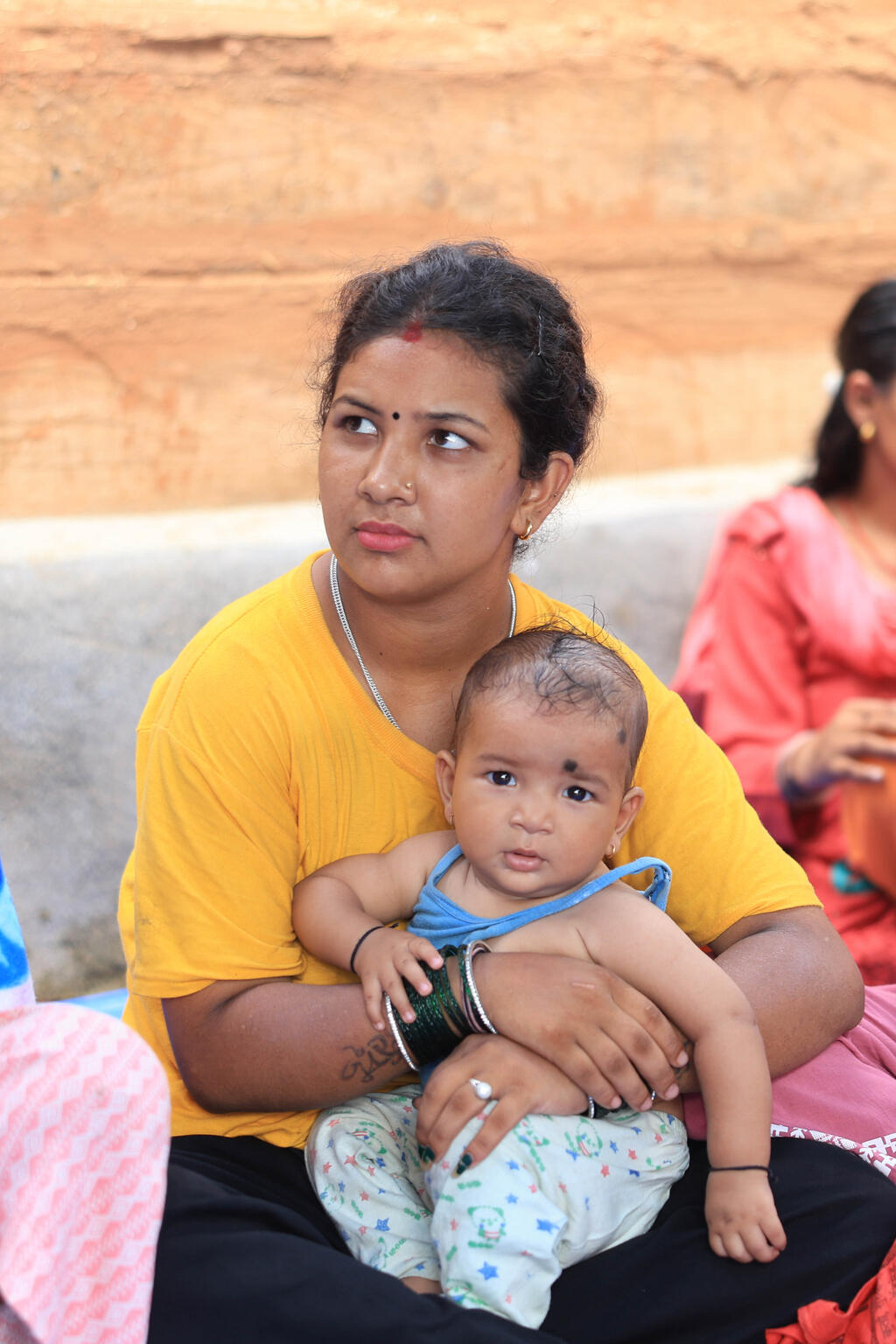
Pollutants inhaled by mothers can cross the placenta or trigger inflammation, affecting fetal development. This can lead to preterm birth, low birth weight, pre-eclampsia, and even pollutants crossing the fetal blood–brain barrier—putting a child’s future cognitive health at risk. For example, there is moderately strong evidence linking particulate matter exposure to low birth weight, with exposure to PM2.5 to be responsible for an estimated 15.6 per cent of all low-birth-weight newborns.
At birth, infants have only 30–50 per cent of the alveoli they will have as adults. Lung growth is fastest in the first two years but continues through childhood and adolescence. With a larger lung surface area relative to their body size, children absorb more pollutants, leaving them at higher risk of inflammation and long-term damage. There is strong, consistent evidence of an association between exposure to particulate matter, nitrogen dioxide and ozone and various short-term respiratory infections in children, including ALRI (and pneumonia), asthma, upper respiratory infections and otitis media.
Young children’s airways are smaller and more permeable, making them highly vulnerable to air pollution. Even minor inflammation can cause serious obstruction, while fine particles (PM2.5) can penetrate deep into the lungs, enter the bloodstream, and reach every organ. This exposure is linked to systemic inflammation and impaired metabolic, immune, and cognitive function in children.
At birth, many innate immune cells are not fully functional, and adaptive immunity—which “remembers” and fights future infections—develops only over time. Newborns, especially preterm infants, are therefore at higher risk of bacterial, viral and respiratory infections.
Fine particles can cross and degrade the blood–brain barrier, causing oxidative stress and neuroinflammation. As children’s blood–brain barriers are still developing, air pollution can disrupt neurodevelopment, particularly in the first three years of life. Young children may also not recognize or avoid dangerous situations, while adolescents may engage in risky behaviors that increase exposure. Unlike adults, children are less likely to stop activity even when coughing or wheezing, prolonging their exposure.

Clean Air, Healthy Children: An Agenda for Action
Every child has the right to breathe clean air, yet hundreds of millions—especially in low- and middle-income countries—are exposed daily to dangerous pollution that threatens their health and futures. This brief outlines seven major sources of air pollution harming children, including household smoke, traffic emissions, waste burning, industry, wildfires, dust storms and secondhand smoke, and provides clear actions for governments, caregivers, the private and health sectors, civil society and young people to drive change. By confronting these sources now, we can prevent illness, protect children’s lives and create cleaner, safer environments for every child.

State of Global Air 2024
The State of Global Air 2024 reports provides a comprehensive analysis of data for air quality and health impacts for countries around the world. The analysis finds that:
- In 2021, more than 700,000 deaths in children under 5 years were linked to air pollution, representing 15% of all global deaths in children under 5.
- Air pollution accounted for 8.1 million deaths globally in 2021, becoming the second leading risk factor for death, including for children under five years. Of the total deaths, noncommunicable diseases, including heart disease, stroke, diabetes, lung cancer, and chronic obstructive pulmonary disease (COPD), account for nearly 90% of the disease burden from air pollution.

Tips for caregivers
Air pollution is one of the greatest threats to children’s health. Almost everyone in the world lives in places where the air is considered unhealthy.
When children breathe toxic air, it harms their health and jeopardizes their future. For children to grow up healthy, they need clean, safe air. Here are some ways you can reduce air pollution in your environment and help protect your child from its impacts.
Inside the fight for clean air


